

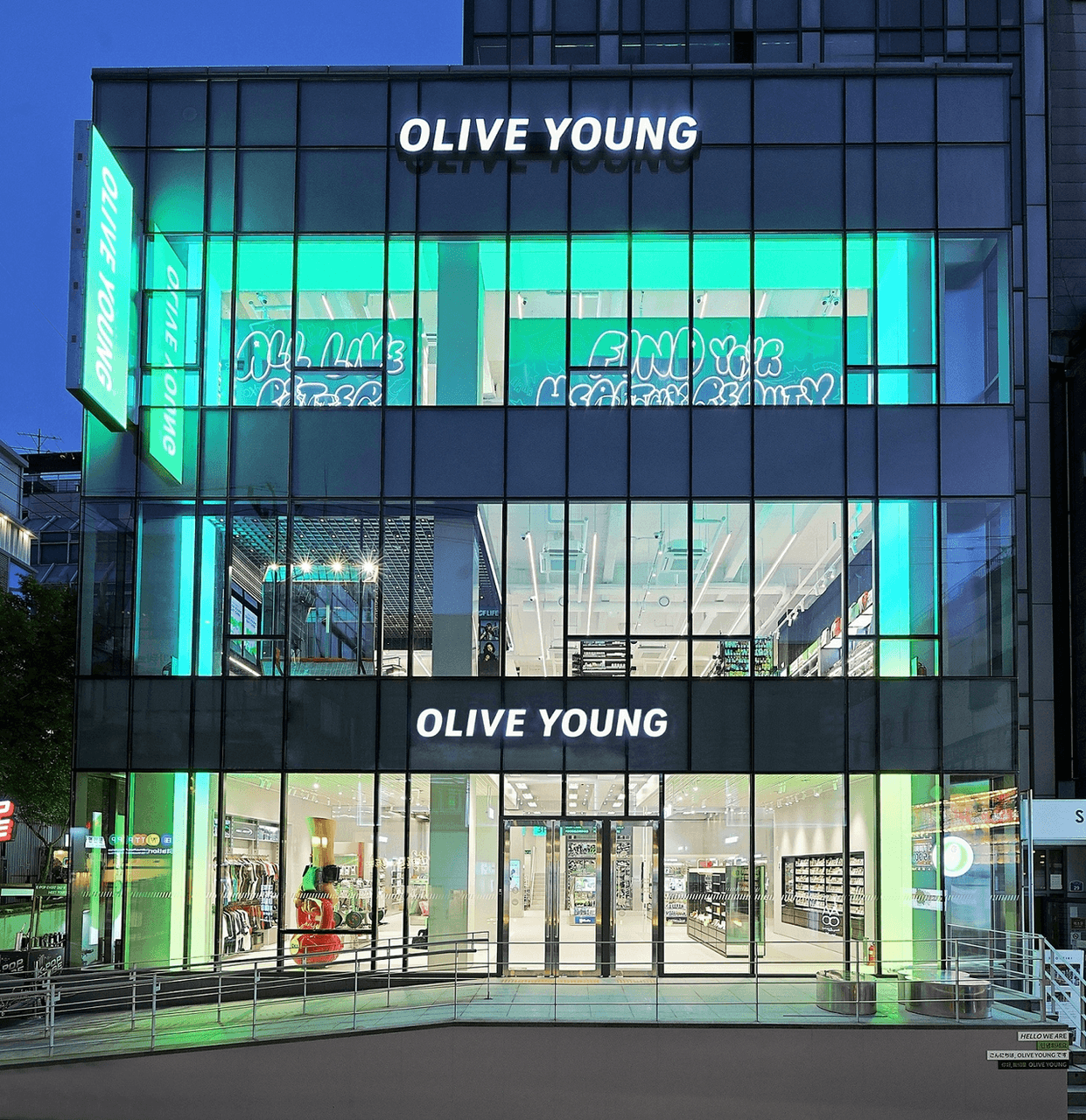
In Seoul’s Myeongdong shopping district, shoppers speak languages from around the world, yet many share one thing in common: Olive Young’s signature white shopping bags with green lettering. As of August 2026, international customers accounted for one-third of the Korean beauty retailer’s offline sales in South Korea. At its Myeongdong Town flagship store, approximately 95% of sales came from foreign shoppers. Olive Young has become both a gateway for international visitors to discover K-Beauty and a destination for Korean souvenirs.
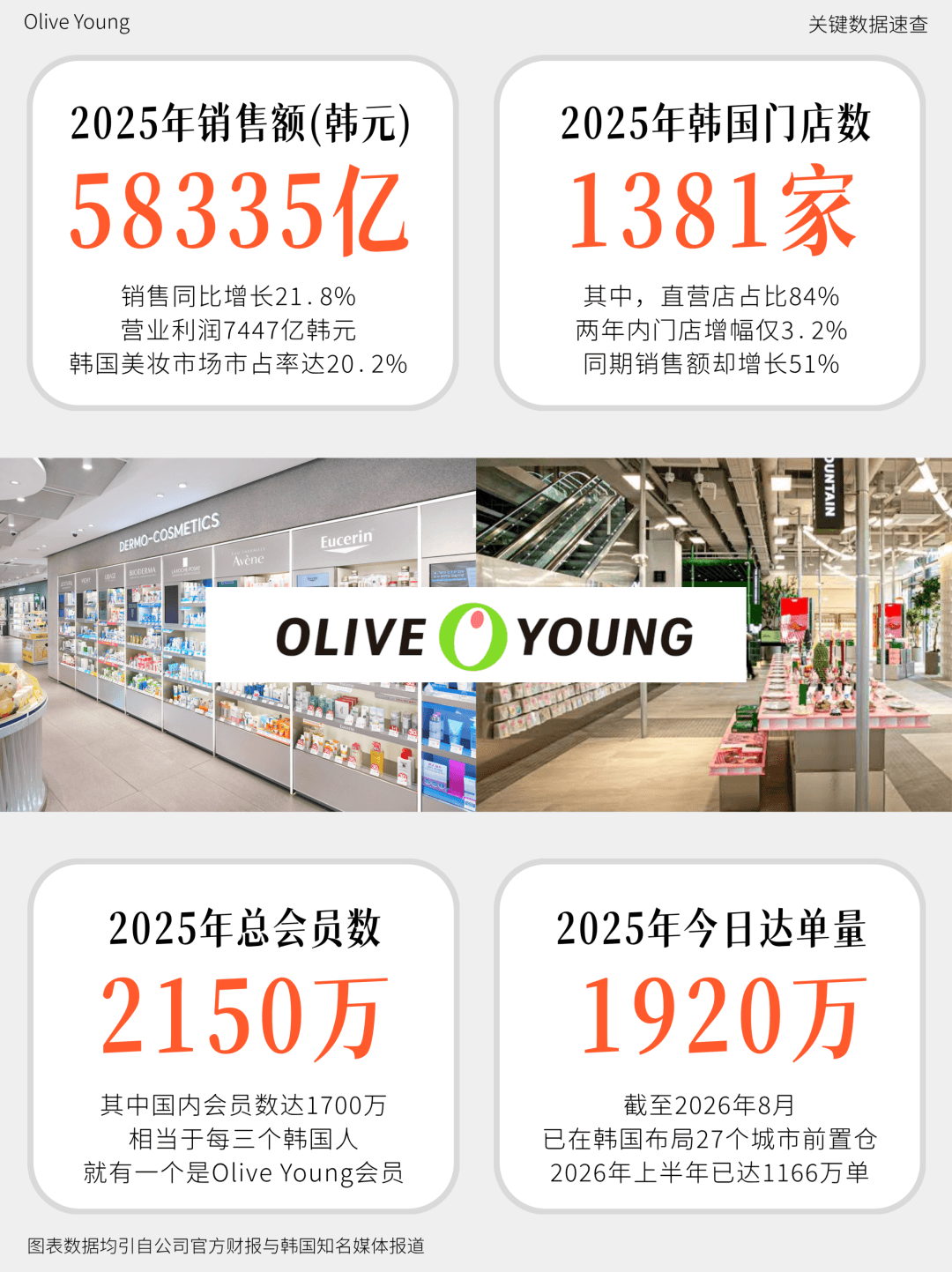
According to company disclosures, Olive Young recorded KRW 5.8 trillion in sales in 2025, up 21.8% year-on-year, while capturing a 20.2% share of South Korea’s beauty retail market. Both figures reached all-time highs. Approximately 90% of Korean women in their 20s and 30s are Olive Young members, an extraordinary penetration rate that underscores the retailer’s considerable influence over the country’s beauty industry.
More remarkably, Olive Young’s rapid growth has not been driven simply by store expansion. Between 2020 and 2024, its store count increased by less than 10%, while revenue grew to 2.6 times its previous level. Existing stores and online operations have supported a substantially larger business.
But this is where the story ends, not where it begins.
Rewind to the beginning, and a very different picture emerges. After opening its first store in late 1999, Olive Young endured eight consecutive years of losses while navigating regulatory gray areas and uncertainty over its retail format. It finally broke even in 2008, only to face a complete supply cutoff from Korean beauty giant Amorepacific the following year.
How did a health and beauty retailer with such a difficult beginning become the global gateway to K-Beauty?
Contents
Estimated reading time: 13 minutes
01 When Japanese and Hong Kong models failed, what should a korean health and beauty store look like?
02 How did a supply cutoff become Olive Young’s turning point?
03 Olive Young’s seven core capabilities
Traffic gateway — Turning stores into must-visit destinations in Korea
The “semi-service” model — Letting product displays serve as sales assistants
Demand creation — Helping shape the next wave of trends
MD merchandising system — Data-driven curation
Private labels — Balancing gross margins with an open ecosystem
Same-day delivery — Turning the store network into a logistics asset
Digitalization — Turning transaction data into insights for future business decisions
04 The Next Frontier: From K-Beauty to K-Wellness
When Japanese and Hong Kong models failed, what should a korean health and beauty store look like?
On December 6, 1999, the first Olive Young store opened in Sinsa-dong, Gangnam, Seoul. To local residents, it was an unusual concept: a store selling not only pharmaceuticals, but also cosmetics and everyday essentials.
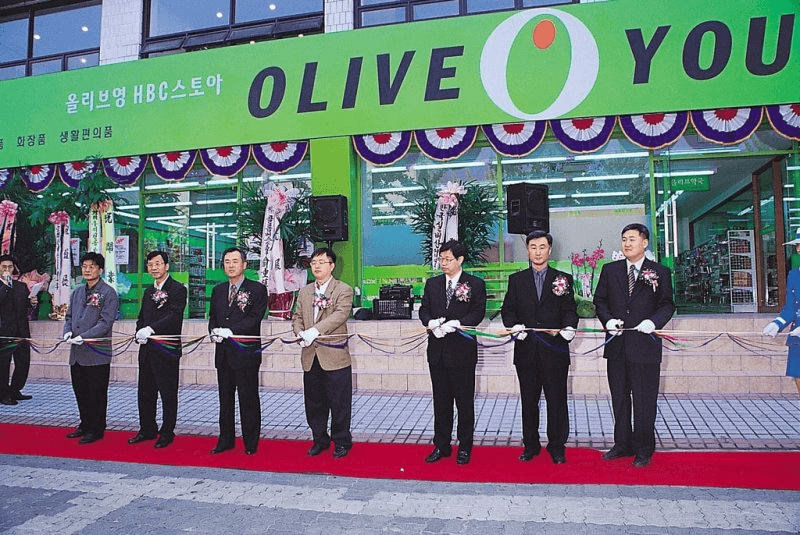
Olive Young’s opening ceremony in 1999
For those who had lived abroad, however, Olive Young felt familiar. Drugstores were already a proven retail format in Japan and the United States. Its parent company, CJ Group, originally established in 1953 as Korea’s First Sugar, believed that reforms separating pharmaceutical prescribing and dispensing would reshape the drug retail landscape, creating early opportunities for larger pharmacies and chain operations in South Korea. It saw this as an ideal moment to enter the drugstore market and drew on operating expertise from Japanese drugstore companies.
Yet less than a month after its debut, Olive Young was reported to the authorities by the local pharmacists’ association. At the heart of the dispute was a regulatory constraint: in South Korea, only individually licensed pharmacists could operate pharmacies, while ordinary commercial enterprises were prohibited from entering the market. CJ Group had initially hoped for regulatory relaxation, but the resistance it encountered left Olive Young little room for optimism.
With pharmaceutical retail proving difficult to pursue, Olive Young needed a new direction. In 2002, CJ formed a joint venture with Hong Kong-based Dairy Farm Group, the parent company of Mannings. Drawing on the Asian retail group’s expertise, CJ sought to transform Olive Young into a Hong Kong-style health and beauty retailer, reducing its dependence on pharmaceuticals.
But changing the product mix did not immediately make the stores more appealing. Snacks and chocolate bars were piled together in the center of the sales floor, promoted through steep discounts. Nearby shelves even stocked kitchen detergents. Consumers struggled to see what distinguished Olive Young from conventional cosmetics stores or convenience stores. As late as 2007, Olive Young still recorded a net loss of KRW 1.8 billion. Its parent company, CJ, was forced to inject additional capital on multiple occasions.
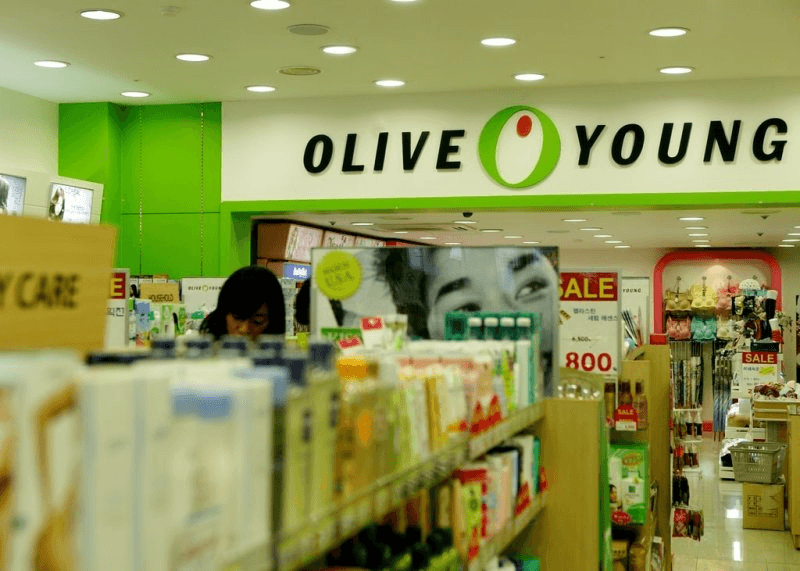
An Olive Young store in 2006, with assorted products crowded into a small retail space
The turning point came in 2008. That year, Olive Young bought back Dairy Farm Group’s 50% stake, marking the end of its attempt to replicate the Hong Kong retail model.
Meanwhile, Heo Min-ho, who had previously worked in purchasing at Shinsegae Department Store and managed duty-free retail operations, took over as CEO. He believed the company first needed to answer a fundamental question: Who exactly was this store meant to serve? His answer was women in their twenties.
The stores were then reorganized around this target audience. Everyday essentials such as toilet paper were removed, more space was allocated to functional beauty products, and the assortment of exclusive international offerings gradually expanded. The role of store associates also evolved. Customers could browse freely without constant sales pressure, but when they expressed interest in a product or had questions, associates were expected to explain its functions and help them make informed choices.
These changes gradually began to pay off. According to a 2009 report, Olive Young’s average transaction value had risen from KRW 8,000 to more than KRW 10,000. In 2008, the company generated KRW 71 billion in revenue and KRW 557 million in net profit. Nearly a decade after opening its first store, Olive Young had finally achieved its first full year of profitability.
Yet just as Olive Young was beginning to find its footing in beauty retail, a new challenge emerged. On December 27, 2009, Amorepacific announced that it would cease supplying Olive Young starting the following year. Brands including IOPE, Laneige, Mamonde, and Hanyul were all set to withdraw.
For a beauty retailer that had only just emerged from years of losses, what would it mean to lose one of its most important suppliers?
How did a supply cutoff become Olive Young’s turning point?
Why would Amorepacific walk away from a growing retailer that had only just turned profitable?
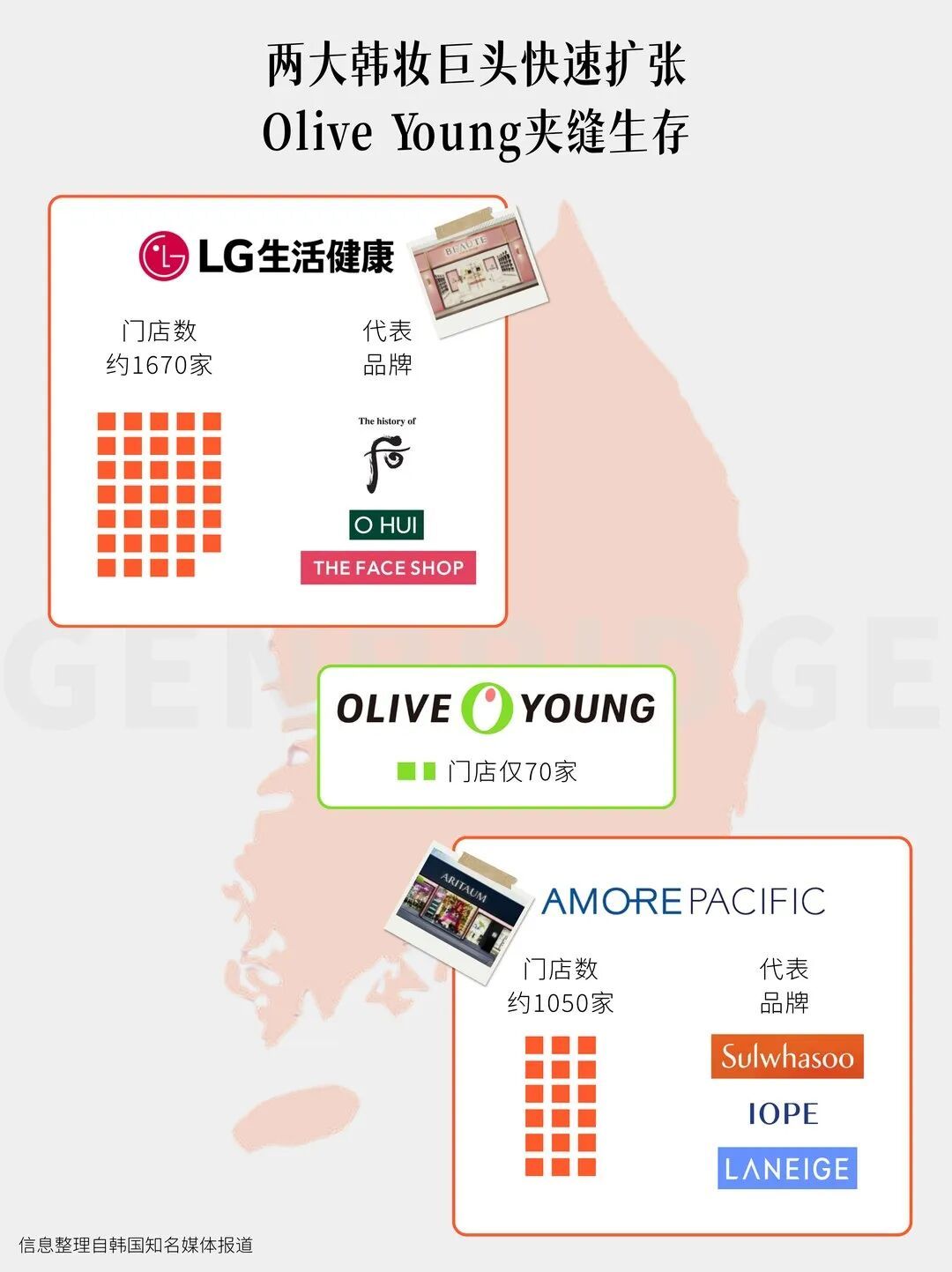
At the time, South Korea’s beauty market was dominated by two giants: Amorepacific and LG Household & Health Care, which together accounted for more than half of the country’s cosmetics market. Amorepacific owned brands such as Laneige, IOPE, and Mamonde, while LG’s portfolio included Isa Knox and Sooryehan. Their rivalry extended beyond which products consumers purchased to where they chose to shop.
Amorepacific’s expanding Aritaum chain was one such retail network. Bringing multiple brands from the group under one roof, it expanded nationwide through franchising. By the end of 2009, Aritaum had reached 1,050 stores.
LG, however, was making an even bigger move. In late 2009, it announced the acquisition of The Face Shop and prepared to launch an upgraded retail format, Beauté. According to reports at the time, combining The Face Shop’s 700 stores with approximately 970 Beauté stores undergoing upgrades would give LG a larger retail network than Aritaum.
Against the backdrop of this rivalry, the relationship between Amorepacific and Olive Young reveals several overlapping conflicts of interest.。
First, pricing discipline. Brands sought to maintain relatively stable prices and margins for the same products across different channels. Multi-brand retailers, meanwhile, relied on promotions and bundled discounts to attract customers. Their interests were not always aligned.
Second, the interests of proprietary retail channels. Aritaum franchisees sold Amorepacific brands, but so did Olive Young. For the beauty group, Olive Young generated additional sales while potentially diverting business from its own stores. Amorepacific’s official justification for the withdrawal was precisely to protect the normal operations of Aritaum franchisees.
Third, control over brand presentation. Within its own retail network, a beauty group could determine how its brands were displayed and introduced. In a multi-brand store, however, its products sat alongside competitors, inviting consumers to compare prices, efficacy, and user experience. This created an inherent tension between the two channels.
Fourth, the balance of dependence. At the time, Aritaum operated approximately 1,050 stores, compared with Olive Young’s roughly 70. Amorepacific argued that its own network already covered major commercial districts nationwide, reducing the incremental value of maintaining a presence in Olive Young.
In short, as two beauty giants battled for control of South Korea’s retail distribution networks, the much smaller Olive Young found itself caught in the crossfire.
For Olive Young, the withdrawal was a severe blow just as it was finding its footing. Year-on-year growth in cosmetics sales plunged from 15% to 4%. According to subsequent reports, the company held emergency meetings every day.
Having finally identified young women as its core customers, Olive Young now faced a critical question: if the brands these women knew and trusted were gone, what would bring them into its stores?
Olive Young turned its attention overseas. In January 2010, it swiftly established a global sourcing team and introduced selected products from Hada Labo, Kosé, and Shiseido. That April, it also entered into a product development partnership with Japan’s Sapporo Drug Store.
This shift also reflected changing consumer demand. Lee Min-woo, Olive Young’s Head of Global Retail, later recalled that Korean consumers were becoming increasingly interested in international products, prompting the company to broaden its overseas assortment. Products that were difficult to find elsewhere could become a new reason for customers to visit Olive Young.
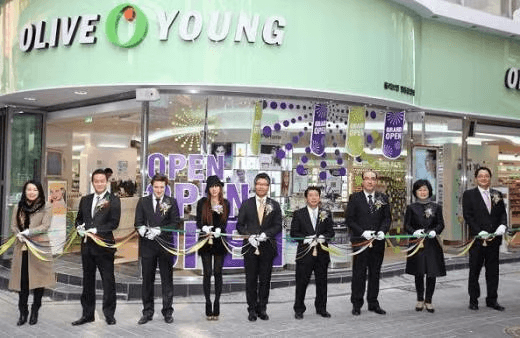
At the opening ceremony of Olive Young’s third Myeongdong store in 2010, the company invited international beauty companies including P&G, L’Oréal, and Sapporo Drug Store.
Olive Young and emerging independent Korean beauty brands were also finding common ground. The retailer sought to strengthen its offerings in dermatological skincare, organic products, and environmentally friendly beauty, while expanding its selection of affordable, differentiated products to distinguish itself from the retail chains operated by major beauty groups.
For smaller brands, this presented a rare opportunity. If consumers were shopping primarily at chains owned by major beauty groups, where could independent brands sell their products? Small and medium-sized cosmetics companies responded enthusiastically to Olive Young’s invitation. The 70 stores that seemed dispensable to industry giants represented a vital distribution channel for these emerging players.
By July of the following year, reports indicated that Olive Young’s year-on-year sales growth had recovered to approximately 12.5%, with the negative impact of Amorepacific’s withdrawal having largely dissipated.
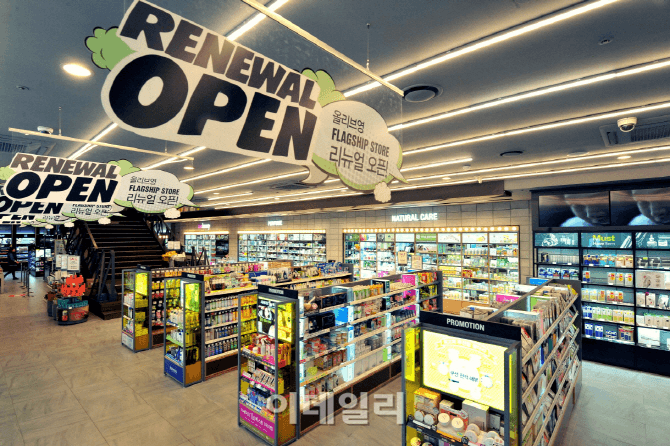
Olive Young’s renovated Myeongdong flagship store in 2015, featuring over 20% more brands and approximately 1,000 additional products.
The significance of this transformation gradually extended far beyond simply filling empty shelves.
First, the role of buyers fundamentally changed. Previously, maintaining relationships with established brands could secure a relatively predictable level of sales. Now, buyers had to proactively discover products and assess whether consumers would be willing to pay for them.
Second, new possibilities emerged in its supplier relationships. For major beauty groups with extensive retail networks, Olive Young was merely one of many distribution channels. For brands without their own stores, however, Olive Young could directly determine whether their products gained consumer visibility. Retailers needed compelling products, while brands needed access to customers, creating a shared incentive to invest in the relationship.
Finally, the reason consumers visited Olive Young could also evolve: from purchasing brands they already knew to discovering products worth trying. The former relied on brands to attract customers, while the latter required the retailer to build its own credibility through consistently successful recommendations.
This transformation also laid the groundwork for Olive Young to connect different markets. Initially, it brought international products to Korean consumers. Years later, as emerging Korean beauty brands gained traction, the same stores, where shoppers could compare, try, and purchase products in one place, became a gateway for international visitors to discover K-Beauty.
Herein lies the irony. By 2025, Olive Young’s annual sales had reached KRW 5.8 trillion, far surpassing Amorepacific, establishing it as the dominant force in South Korea’s beauty retail market. The shelf space once vacated by major brands had been filled by smaller players such as MEDIHEAL, Torriden, Round Lab, Anua, and COSRX, brands that have since become leading forces in K-Beauty’s global expansion. What began as a crisis of abandonment by an industry giant ultimately proved to be the starting point for Olive Young to build a genuine competitive moat.
Olive Young’s seven core capabilities
Traditional beauty retail has largely relied on attracting established brands, expanding store networks, and monetizing distribution channels. Sephora, for instance, draws customers through established brands and professional services, while Watsons serves the mass market through its extensive store network, promotions, and private labels.
Olive Young has taken a different path, placing brand incubation at the heart of its business model. It first identifies what consumers need, then discovers and nurtures brands capable of meeting those needs. Buyers participate in product planning, stores provide hands-on experiences, rankings amplify sales, and continuous data feedback creates growth opportunities for lesser-known brands. This has established a virtuous cycle in which brand growth drives channel growth, and greater channel scale enables the development of more brands.
1. Traffic gateway — Turning stores into must-visit destinations in Korea
According to the Korea Tourism Organization, South Korea welcomed 7.2 million international visitors between January and May 2025. During the same period, Olive Young recorded approximately 5.963 million foreign purchasing customers, suggesting that roughly 80% of international visitors to Korea shopped at the retailer. Foreign purchases were recorded at 1,264 stores, representing approximately 92% of its nationwide network at the time. At its Myeongdong Town store, foreign customers accounted for 95%.
Behind this surge is the global popularity of K-Beauty itself. In 2024, South Korea’s cosmetics exports reached USD 10.2 billion, up 20.3% year-on-year, making the country the world’s third-largest cosmetics exporter. Korean beauty products have become a category actively sought out by consumers across markets.
For international visitors, Olive Young provides an accessible, experiential gateway to an otherwise fragmented landscape of brands and trends. Multilingual product information, dedicated sections featuring tourist favorites, luggage storage at selected stores, and guidance on registering for its global online store increasingly connect pre-trip research, in-store purchases, and replenishment after returning home. By making a visit to Olive Young as essential to experiencing contemporary Korean life as visiting Gyeongbokgung Palace or exploring traditional hanok houses, the retailer has effectively elevated a retail channel into a cultural symbol.
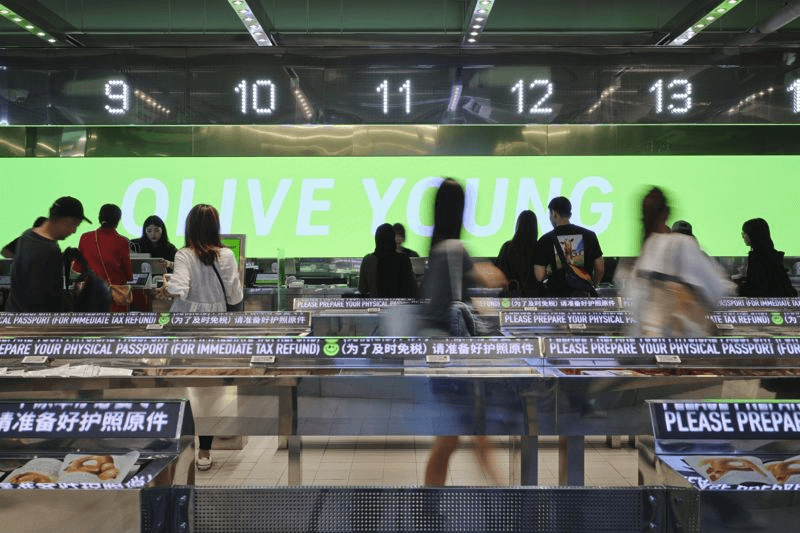
International visitors queue to check out at Olive Young.
Olive Young’s promotional calendar has even begun to influence international flight bookings. An analysis by tax refund provider Global Tax Free found that, in 2026, the number of foreign shoppers visiting Korea during Olive Young Sale promotions was 11 times the comparable figure three years earlier. A retailer’s promotional calendar has become part of the travel and shopping routines of some repeat international visitors.
2. The “semi-service” model — Letting product displays serve as sales assistants
As early as Heo Min-ho’s reforms nearly two decades ago, Olive Young recognized that overly attentive service could make young women feel uncomfortable. While some Korean beauty boutiques were still handing out samples and approaching passersby outside their stores, Olive Young had adopted a different approach: associates would not initiate conversations unless customers requested assistance.
The shelves themselves also help customers find answers. Skincare, makeup, and ingestible beauty products are organized around specific needs and use cases, such as solutions for oily, acne-prone skin, dewy complexion makeup, and sensitive skin repair. Consumers can compare different brands addressing the same need, with ample testers across categories, along with makeup remover pads and disposable lip brushes. Even first-time visitors can discover bestselling products without prior research.
Store design further encourages customers to linger. For example, the Central Gangnam Town store, which opened in 2025, features wider aisles that allow customers carrying suitcases to browse comfortably. Many stores also provide seating areas in quiet corners, giving shoppers the freedom to explore and test products at their own pace.
As a result, visiting Olive Young does not necessarily require a shopping list. Customers can explore new arrivals, experiment with unfamiliar shades, and then decide whether to make a purchase. Olive Young calls this process "discovery shopping." CEO Lee Sun-jung has noted that consumers have begun referring to its stores as "beauty playgrounds."
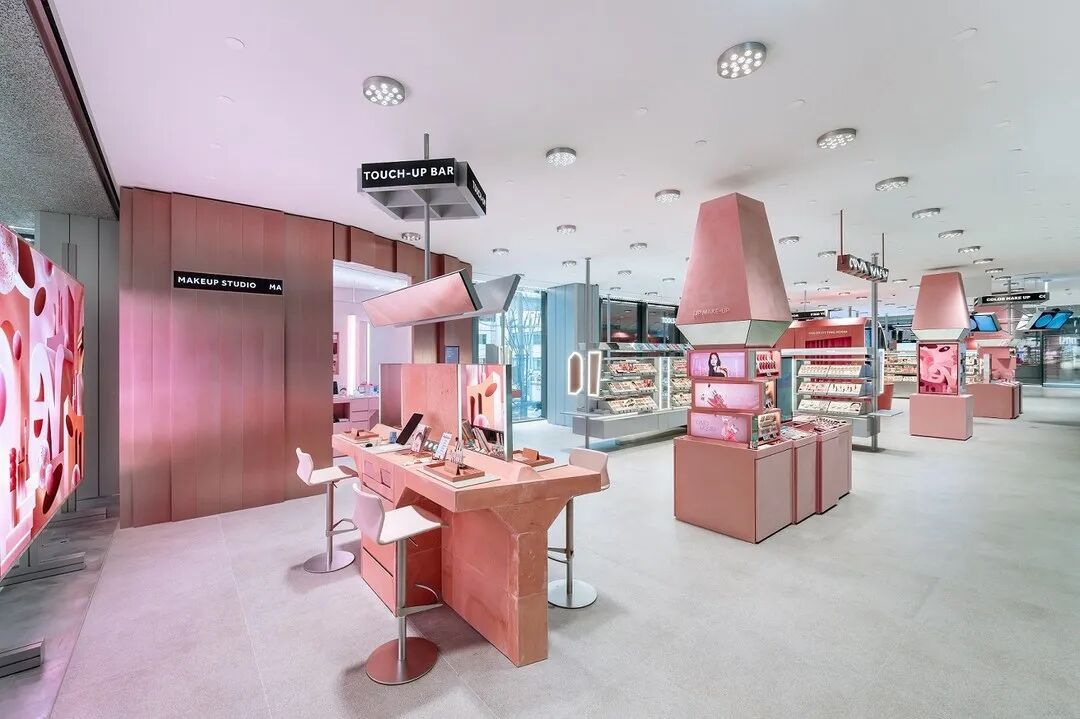
Makeup displays and testing areas at Olive Young N Seongsu.
3. 榜单即需求:帮助小品牌做大
3. Rankings as demand drivers — Scaling emerging brands
Olive Young’s rankings do more than showcase sales performance; they also serve as a mechanism for amplifying demand. The retailer publishes real-time category rankings online and uses its annual Olive Young Awards to translate consumer purchasing decisions into visible recommendation signals. Award-winning products subsequently receive dedicated promotional support, creating further opportunities to reach consumers.
This creates a flywheel: strong sales drive higher rankings, which in turn fuel the next wave of sales.
For consumers, being ranked "No. 1 in category at Olive Young" provides a compelling reason to buy while reducing the effort required to evaluate and compare products. For brands, the designation transforms channel sales performance into a reputational asset that can be repeatedly communicated. Earning a place on the rankings has therefore become a valuable objective for brands.
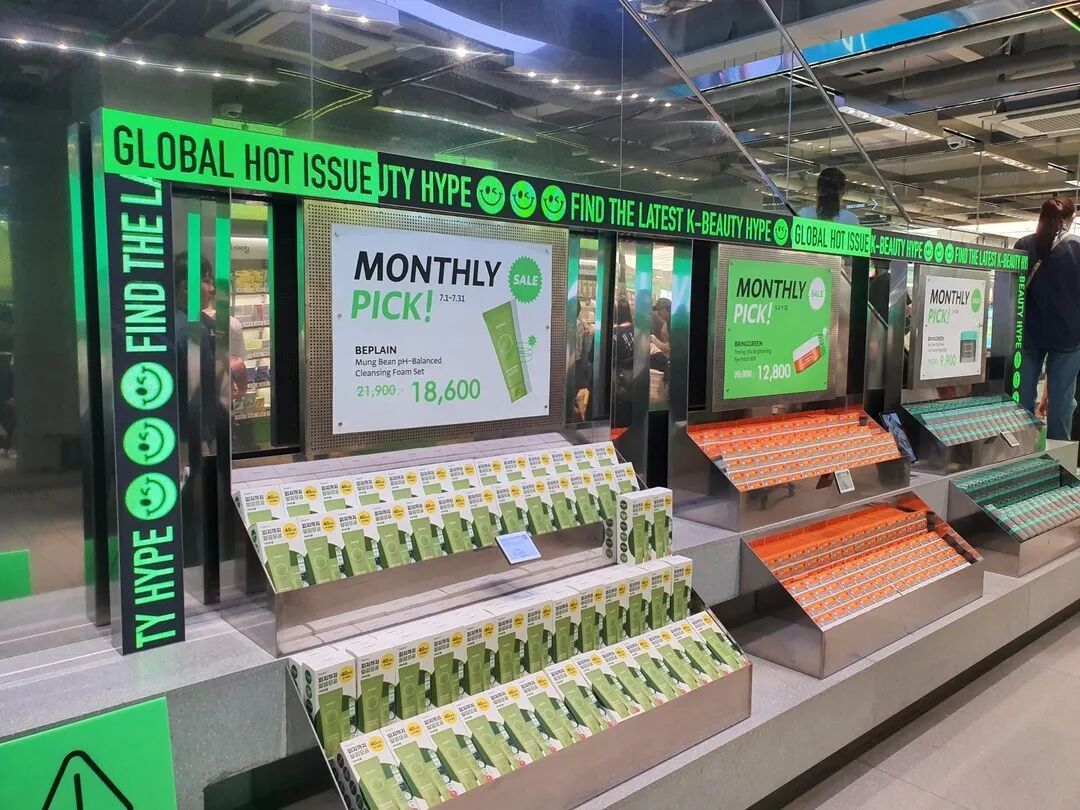
Curated recommendations and dedicated displays amplify product visibility.
MEDIHEAL is a representative example. In its early years, the brand primarily sold facial masks through pharmacies, with limited recognition and no standalone stores. After entering Olive Young in late 2009, it gradually reached a broader audience of Korean consumers and Chinese tourists, becoming one of the retailer’s signature products. As Olive Young expanded its store network, MEDIHEAL’s sales grew alongside it.
By Chinese New Year 2015, MEDIHEAL had become Olive Young’s top-selling brand across all categories and opened its own standalone store in Myeongdong later that year. From relying on a retail channel to reach customers to building enough brand appeal to support its own store, MEDIHEAL used Olive Young as a critical springboard into the market.
MEDIHEAL’s success is far from an isolated case. Approximately 90% of the companies represented at Olive Young are small, medium-sized, or mid-market enterprises. In 2025, 116 brands generated annual sales of at least KRW 10 billion across its online and offline channels, approximately 3.2 times the number in 2020. Six brands exceeded KRW 100 billion in annual sales: MEDIHEAL, Dr.G, d’Alba, Round Lab, Clio, and Torriden. Among them, MEDIHEAL became the first to surpass KRW 200 billion.
For smaller brands, this mechanism lowers the barriers to market entry and brand recognition. For Olive Young, consistently helping emerging brands scale creates new sources of growth for the retailer itself.
4. MD merchandising system — Data-driven curation
Olive Young’s most important competitive advantage lies in its ability to continuously discover and nurture the next generation of compelling brands through data. This is the core engine driving its business growth.
This responsibility falls to its merchandising (MD) teams. According to a 2025 report, Olive Young employed approximately 200 buyers across six specialized teams, managing 10 major categories and 326 subcategories. Their role extends well beyond product selection and price negotiations: they continuously analyze consumer demand, identify emerging trends, and work with brands to translate those insights into product development and growth strategies.
Buyers assess a product’s potential and then deploy merchandising and marketing resources, including endcap displays, omnichannel campaigns, ranking recommendations, and bundled offerings, to bring promising products to a wider audience. Before a brand becomes a reason to purchase, the retailer uses its own curation capabilities to create opportunities for it.
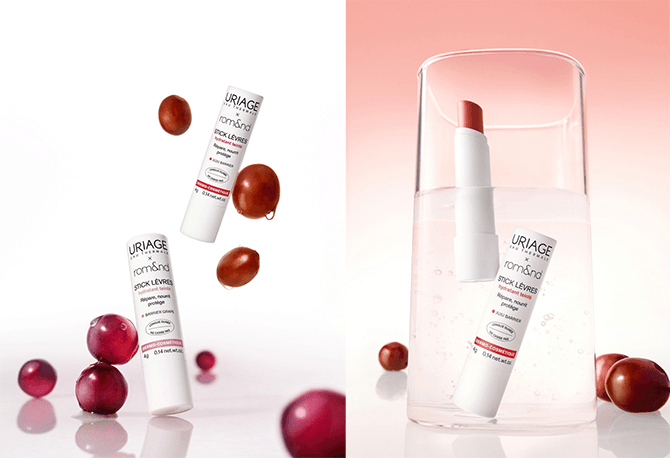
The co-branded lip balm by Uriage and rom&nd.
In 2022, Olive Young’s buyers suggested that rom&nd launch a tinted lip balm, leading to the development of Glasting Melting Balm, which subsequently appeared in the 2024 Olive Young Awards rankings. In 2025, Olive Young introduced another special collaboration between French skincare brand Uriage and rom&nd, combining Uriage’s moisturizing expertise with rom&nd’s color capabilities. Consumers were invited to vote on the shades. Upon launch, the initial inventory sold out, with sales exceeding expectations by 200%.
According to statistics, the number of tinted lip balm products grew from approximately 300 at the end of 2022 to around 1,200 by October 2025. Uriage subsequently introduced its five-shade Stic Lèvres Colored tinted lip balm collection, which debuted at Olive Young in March 2026.
The value of buyers has therefore evolved from managing today’s shelves to cultivating tomorrow’s supply, becoming an engine that continuously creates new product categories and trends.
5. Private labels — Balancing gross margins with an open ecosystem
Olive Young has also developed its own private labels. Bring Green targets sensitive skin with vegan skincare; Wakemake and Colorgram cater to different styles of makeup favored by younger consumers; Bio Heal BOH focuses on functional skincare and anti-aging; Round A’Round extends into fragrance and lifestyle products; and All The Better addresses the wellness market.
However, as an important platform for emerging brands, Olive Young has taken a measured approach to private labels (PB). According to the company’s public statements in 2026, private labels accounted for approximately 10% of total sales, with their role more closely aligned with long-term growth strategies such as international expansion. By early 2026, its private labels had entered more than 30 countries and 185 distribution channels worldwide. According to a report in May of the same year, overseas sales already accounted for 70% of Bio Heal BOH’s revenue.
This balance protects Olive Young’s most valuable asset: the trust that brands place in its platform. Its growth depends on continuously attracting and nurturing third-party brands. If the retailer consistently reserved its best shelf space and customer traffic for its own products in pursuit of short-term gross margins, it would weaken other brands’ incentive to join. Private labels can complement the product assortment and enhance profitability, but an open brand ecosystem remains the foundation that keeps consumers returning to its stores.
6. Same-day delivery — Turning the store network into a logistics asset
In 2018, Olive Young pioneered "Today Dream" (오늘드림), a same-day delivery service in South Korea’s beauty industry. Customers place orders online, which are fulfilled by nearby stores or urban micro-fulfillment centers. At its core, Today Dream enables the same store network and inventory to serve both in-store shoppers and online orders, increasing productivity across the entire network.
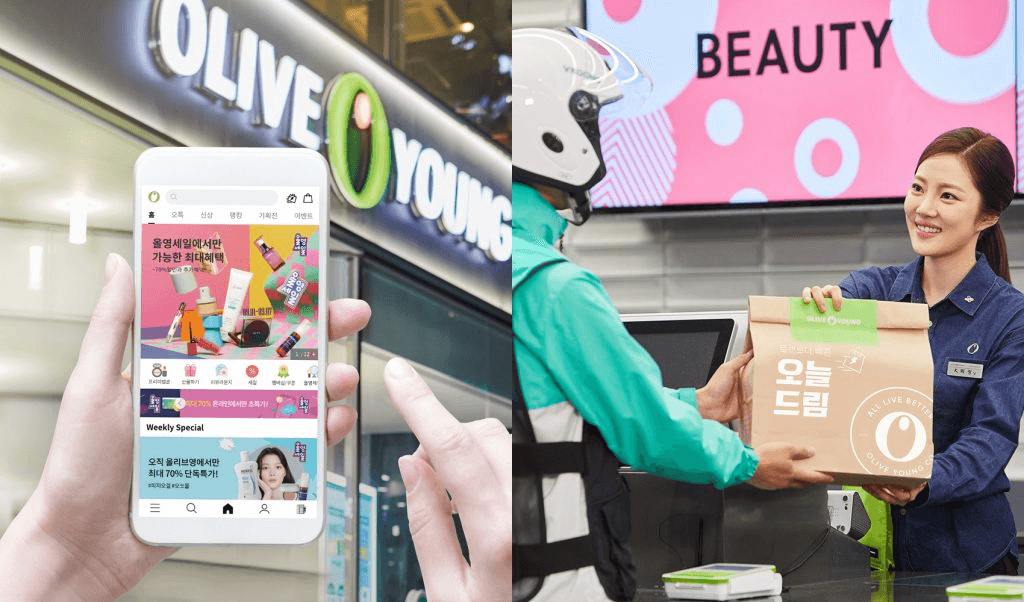
Today Dream fulfilled approximately 6 million orders in 2022, rising to 19.35 million in 2025. In the first half of 2026 alone, it handled 11.66 million deliveries, accounting for 48.7% of total delivery volume. With nearly half of deliveries fulfilled through this network, Olive Young’s physical footprint has become deeply integrated into its online growth.
As order volumes increased, Olive Young supplemented store-based fulfillment with urban micro-fulfillment centers. By August 2026, it operated 27 such facilities nationwide. The transformation in Jeju was particularly striking. Previously, standard delivery typically took more than three days and incurred an additional KRW 2,500 surcharge for remote areas. Following the opening of a local fulfillment center in July 2026, approximately 90% of online orders in Jeju became eligible for same-day delivery.
This creates a structural barrier against online-only competitors: the geographic density Olive Young has built through store expansion can be continually converted into faster delivery, greater shopping convenience, and more opportunities for repeat purchases.
7. Digitalization — Turning transaction data into insights for future business decisions
By the end of 2025, Olive Young had more than 17 million online members in South Korea, equivalent to roughly one-third of the country’s population. Approximately 90% of Korean women in their twenties and thirties were members. Its global online store had around 4.5 million members, bringing total membership to approximately 21.5 million. In November 2025, its app reached 9.79 million monthly active users. For young Korean women, Olive Young has effectively become a widely used gateway to beauty consumption.
Its membership program further extends this relationship into physical stores. Beyond coupons and exclusive promotions, Olive Members offers Gold and Black tier members access to "Olive Classes," experiential sessions hosted by brands, as well as benefits such as member lounges at selected stores. These offerings give consumers reasons to visit beyond purchasing products, while allowing brands to engage more deeply with highly interested customers.
The deeper value lies in using data to inform operations. Search histories, purchase records, and product reviews provide buyers with richer signals of consumer demand, accelerate feedback on new product launches, and make it easier to apply successful insights to future assortment decisions. With every transaction, the platform accumulates knowledge about who buys what and why, improving the likelihood of success in subsequent product selections and recommendations.
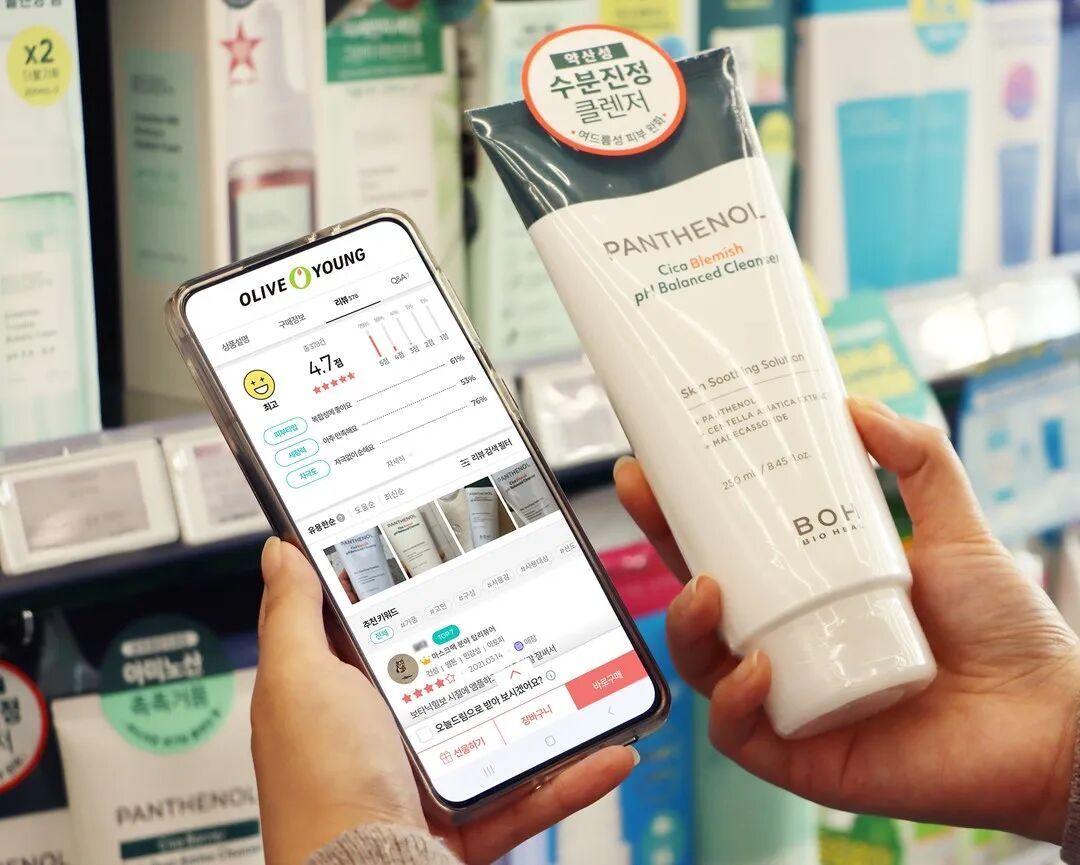
Consumers browse product reviews on the Olive Young app.
This is where the seven capabilities come together:
Inbound tourism generates foot traffic and cultural momentum, while the semi-service model encourages customers to linger and explore. Merchandising teams introduce promising emerging brands, and rankings turn purchasing behavior into greater visibility and trust. Private labels complement the assortment and enhance margins, while Today Dream converts store density into online convenience. Digitalization then feeds insights from every stage back into the next round of business decisions.
These seven capabilities function as interconnected gears in a single machine. Brand growth drives channel growth, while greater channel scale continuously strengthens Olive Young’s ability to discover and nurture the next generation of brands.
The Next Frontier: From K-Beauty to K-Wellness
In 2026, Olive Young is expanding in two directions: pursuing larger international markets and extending into the broader wellness sector. Both moves raise the same fundamental question: Can the brand incubation system it developed in South Korea’s beauty market continue to succeed across new markets and categories?
The first step is establishing its own retail presence in the United States. On May 29, Olive Young opened its first U.S. store in Pasadena, California, featuring approximately 803 square meters of retail space, 400 brands, and around 5,000 SKUs. Its second store opened at Westfield Century City in Los Angeles on June 13. According to on-site reports in August, the Pasadena store attracted more than 1,500 customers per day, with non-Korean shoppers accounting for over half. Despite U.S. prices generally being 10–15% higher than those in South Korea, average transaction values at its American stores were more than twice those of its Korean locations. These early results suggest that Olive Young is beginning to reach consumers beyond the Korean cultural sphere.
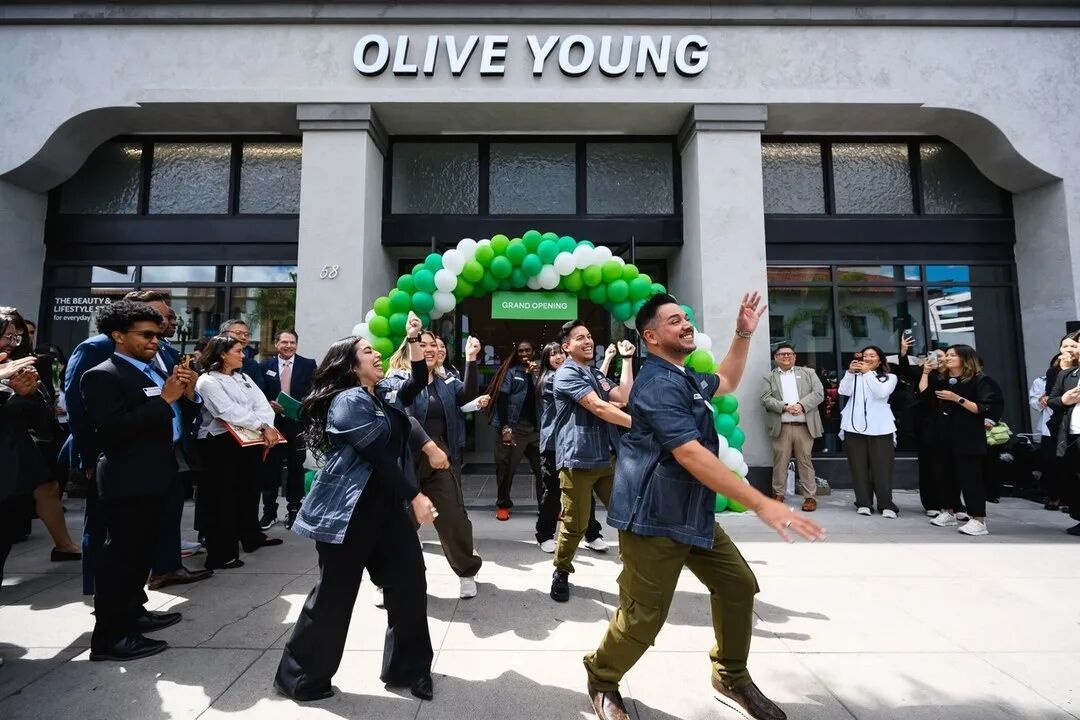
Olive Young’s first store in the United States
The second step is expanding its reach through Sephora. The two companies announced a strategic partnership in January 2026. Beginning August 20, an initial selection of 19 Korean brands entered more than 500 Sephora stores across the United States and its online platform under the dedicated "Olive Young K-Beauty Edit." According to their announced plans, the partnership will expand into markets including the United Kingdom, Australia, and the Middle East in 2027. Sephora’s existing infrastructure, spanning approximately 3,400 points of sale across 35 countries, provides an established distribution network for this expansion.
Operating its own stores gives Olive Young control over the customer experience and allows it to build local market knowledge, although expansion remains constrained by site selection, staffing, and capital requirements. Partnering with Sephora, meanwhile, enables it to bring proven brand assortments into established retail channels more quickly. Together, these approaches allow Olive Young to develop its own operating model while leveraging external networks to broaden its reach.
The true value of Olive Young’s international expansion lies in its ability to consistently identify and nurture brands, and to curate products and consumer experiences around them. For smaller brands, expanding overseas alongside a platform that understands their business and has established international distribution relationships can reduce the duplicated effort involved in securing channels, building trust, and organizing marketing campaigns independently. Olive Young’s growth potential can therefore extend beyond the number of stores it operates itself.
The third step is entering the wellness market through Olive Better.
In 2025, Olive Young’s sales in health-related categories had increased by 864% compared with 2016, while its customer base for these products grew by 507%. Yet the consumer shopping journey remained fragmented. Nutritional supplements, fitness products, sleep aids, and fragrances were sold through different channels, leaving many consumers knowing they wanted to be healthier but unsure where to begin. This is precisely the challenge Olive Young knows how to address: identifying consumer needs, simplifying purchasing decisions, and helping smaller brands connect with consumers through relevant products.
On January 30, 2026, the first Olive Better store opened in Gwanghwamun, Seoul. Spanning two floors and approximately 430 square meters, it organizes products around everyday needs such as nutrition, supplements, exercise, personal care, and rest. Olive Better has already helped protein beverage brand Flymeal and tea bag brand Nothing Better expand into new categories, including soups and wellness shots, respectively, beginning to replicate the process of translating consumer insights into product development.
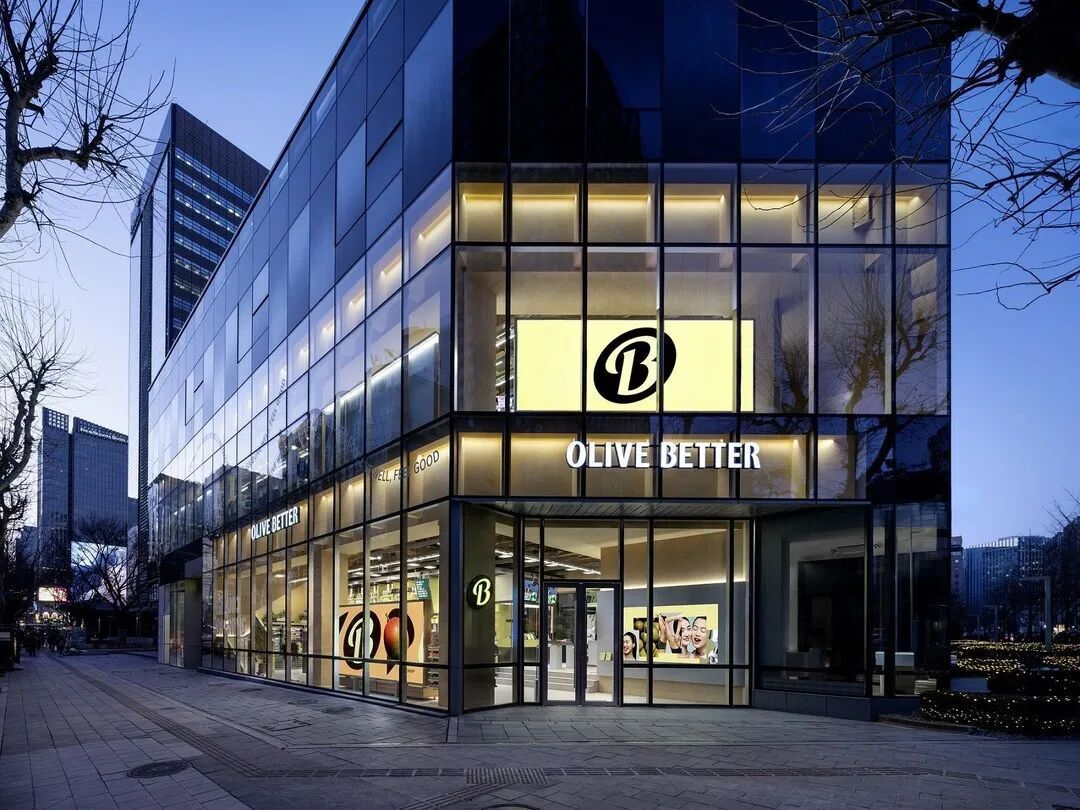
According to the company, following the platform’s launch, more than 1.8 million Olive Young members purchased health-related products for the first time. By the end of April, wellness shots and gummies accounted for more than half of the top 30 bestselling products at Olive Better stores. During the same period, Olive Young introduced approximately 560 new wellness brands and nearly 13,000 products. At the Gwanghwamun store, the share of sales generated by international customers rose from 7% in its first week to nearly 50% by the end of April. All five of the most popular products among foreign shoppers came from domestic Korean brands.
Epilogue
The supply cutoff in 2010 forced Olive Young to find a new path forward. What began as efforts to fill empty shelves gradually evolved into the capabilities underpinning its long-term growth.
China’s retail industry is also undergoing profound transformation. Relationships between brands and distribution channels are being reshaped, as are the ways consumers discover and purchase products. A new generation of brands is emerging, becoming destinations that attract international visitors to China. Olive Young’s experience may offer valuable lessons for businesses navigating these changes.