


As the retail and consumer sector enters deep “involution,” how can companies break out of homogenized competition and remain steady in a market of ever-changing demand?
There are many ways to win, but for consumer-facing businesses, the ultimate principle remains the same: the product itself. We believe that “product development is a craft that can change the world.” Great products are the beginning of great businesses, the substance beneath great brands, and the anchor that shapes consumer perception.
So what does it take to create products that truly resonate?
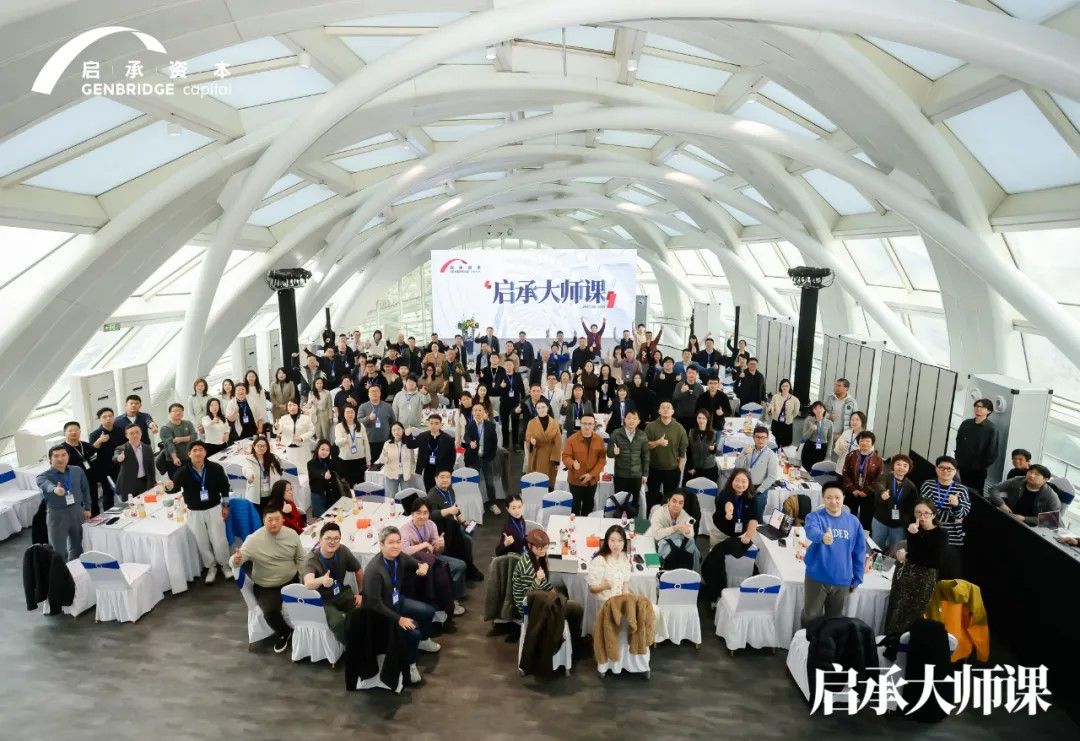
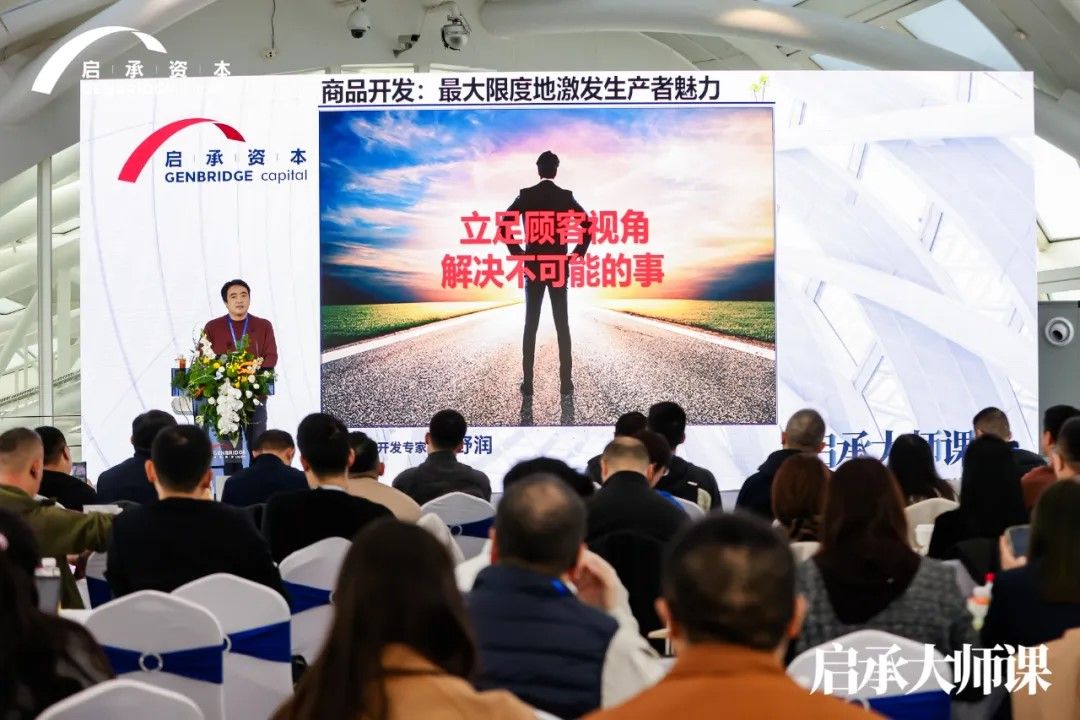
Last year, we led a group of portfolio executives on a learning trip to Japan. This year, to reach even more partners, we brought the classroom back to China through the “GenBridge Masterclass”, focusing on product development. Three industry experts—from global experience to local execution and systematic methodologies—delivered a deep and inspiring knowledge session.
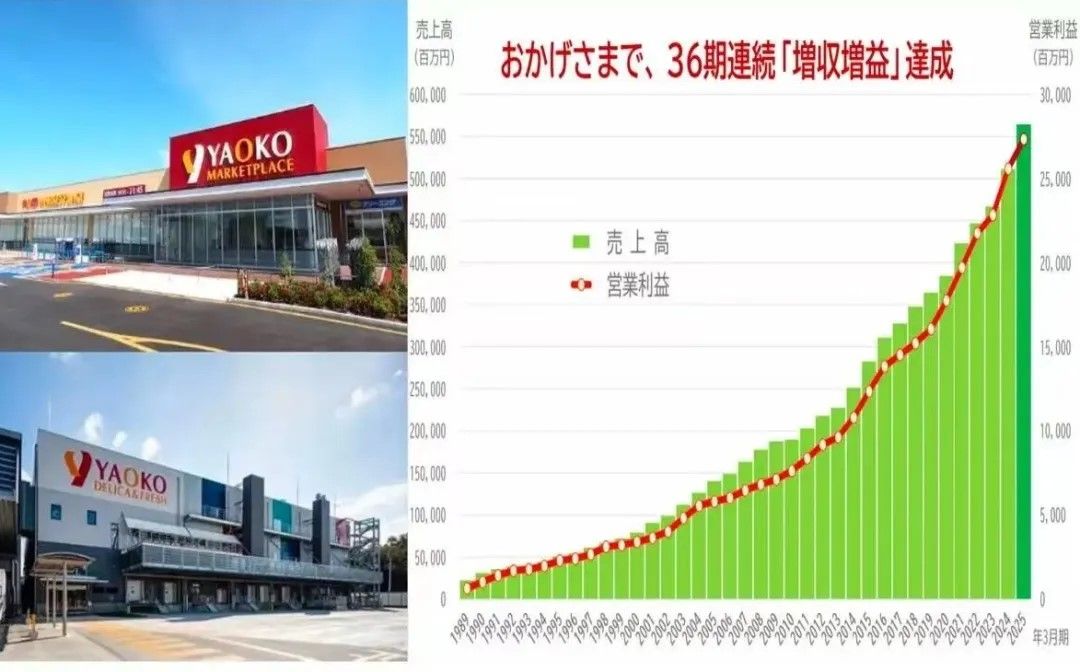
Jun Chikano, a veteran Japanese retail expert with over 20 years of product development experience and with prior roles in product development at 7-Eleven and Yaoko, was the featured speaker of this Masterclass. Under his leadership, Yaoko achieved 36 consecutive years of revenue and profit growth through sharp customer segmentation and private-label development. At 7-Eleven, his single high-altitude banana—once doubted but later generating 5 billion yen in annual sales—proved that anticipating trends and solving real customer pain points is what enables products to endure across cycles.
Juan Liu, head of procurement at New Joy Mart, shared a grounded, local operator’s perspective on how Chinese convenience retail can break through. Confronted with fierce competition in Changsha and the stereotype that “convenience stores must be expensive,” New Joy Mart employed a ‘mega-SKU strategy,’ focusing on extreme value and scene-based adaptation to redefine consumer expectations through practical innovation.
Ryan Ren, GenBridge’s product development expert, focused on this sector’s core challenge: “why companies understand innovation yet fail to execute it.” He introduced a systematic framework—linking demand patterns, product design, and organizational efficiency—combined with GenBridge’s global innovation learnings to help companies avoid the ‘single-point innovation trap’ and build long-term innovative capabilities.
Despite their different angles, all three experts converged on the essence of growth: user-centricity supported by organizational capability—providing guidance for both short-term hero SKUs and long-term sustainable growth.
Jun Chikano: Always thinking from the customer’s perspective
As a former core member of the product development teams at 7-Eleven and Yaoko, Jun Chikano has led over 200 private-label projects and created multiple classic products with more than 15 years of continuous sales. His insights blend conceptual rigor with hands-on case studies, offering valuable lessons for retail practitioners.
Jun Chikano opened by emphasizing that the core premise of product development is always to think from the customer’s perspective. In the fiercely competitive retail markets of China and Japan, the real gap between companies lies in how deeply they understand customer needs.
Yaoko’s success is highly representative. As the publicly listed retailer with the longest streak of revenue and profit growth in Japan, its core strategy rests on three pillars:
1. Local adaptation—designing business models based on demographic characteristics. For example, in Saitama Prefecture, where the age distribution differs significantly between the north and south, Yaoko abandoned cheaper unified advertising and instead implemented segmented campaigns to attract customers more precisely.
2. Organizational restructuring—redefining “headquarters” as a “support center,” establishing a system in which HQ serves the front line to better respond to customer needs.
3. Horizontal integration—boosting efficiency and profitability by finding multiple cross-category uses for the same raw ingredient.
Take mackerel as an example. Traditional Japanese trading companies only sell the middle portion as fresh fish. Chikano’s team creatively adopted a “whole-fish utilization” model—using the middle for fresh sales and the ends for bento ingredients, purchasing directly from suppliers to reduce costs while minimizing factory waste.
Similarly, addressing Japan’s high fruit prices and inconvenience in handling, Yaoko developed bagged cut fruit, using trimmings to make fruit smoothies—meeting customer needs while controlling costs.
Regarding individual product development, Jun Chikano believes the industry has moved from the era of functionality and differentiation into the era of “happiness value”—whoever can make customers feel happiness will win in competition.
For example, supermarket coffee once served purely functional needs like quenching thirst; later it became a quick break during work; and today it symbolizes a quality lifestyle. Following this logic, Yaoko developed its “cloth drip” iced coffee, giving cold coffee the same rich aroma as hot coffee.
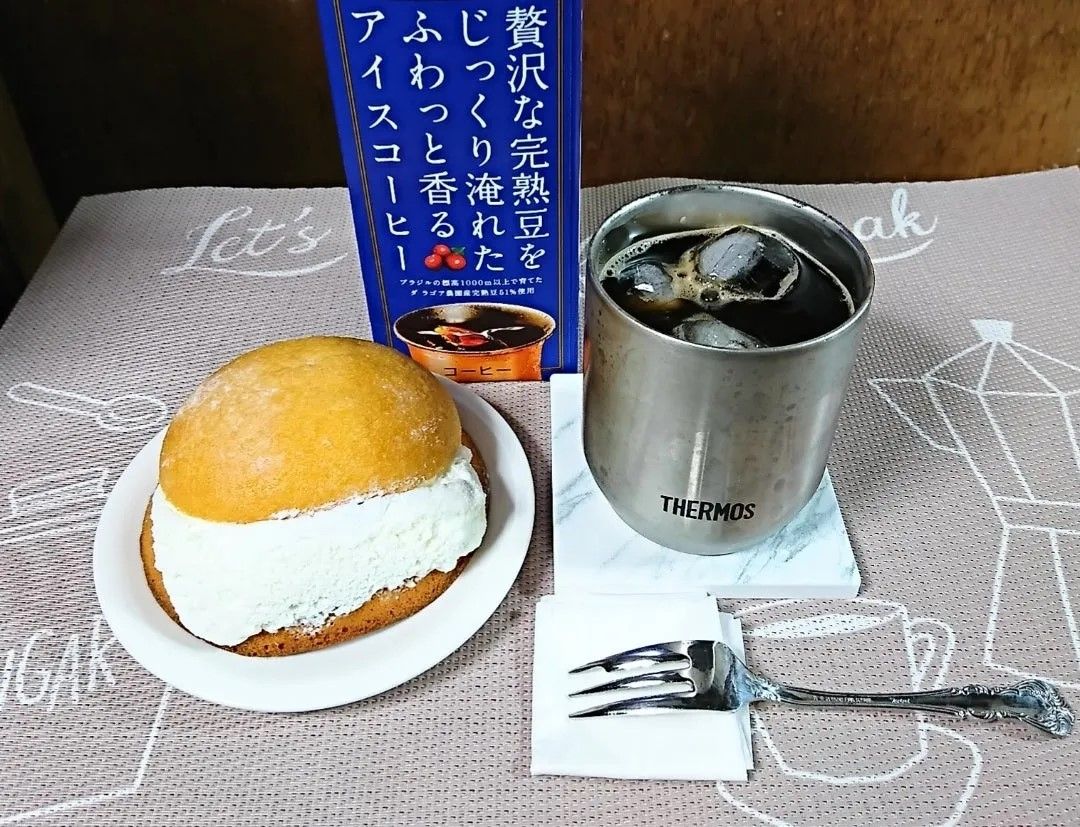
This product was named “a fragrant iced coffee carefully extracted from luxuriously ripened beans.”
Chikano emphasized that great products must satisfy four dimensions: “tasty, sellable, profitable, and original”—none of which can be compromised.
- “Tasty” requires tight control of ingredients, formulas, and manufacturing processes, grounded in trend forecasting.
- “Sellable” means defining a clear “ideal store image” and targeting customer pain points—rather than following competitors blindly.
- “Profitable” requires full-chain cost management, taking supply chain functions back from trading houses, similar to Uniqlo’s SPA model, to maximize margins.
- “Original” demands breaking industry boundaries, connecting unconventional resources, and turning the “impossible” into opportunities.
To achieve these four dimensions, product developers must possess three core qualities—awareness, willingness, and influencing ability—alongside the foresight to “see the past, grasp the present, and anticipate the future.”
Chikano noted that Japan has long faced declining birth rates, aging demographics, and rising single-person households—a trend now beginning to appear in China as well. This is reflected in industry signals such as rapid growth in frozen foods, a category already worth 1.3 trillion yen in Japan, while China’s frozen-food market still has enormous potential.
Thus, companies should proactively design products and services for small households. To illustrate this, he shared the “single-banana” development case.
While at 7-Eleven, Chikano noticed that bananas were consistently slow-sellers. After investigation, he found the issue lay in packaging: bananas were sold in packs of five for 100 yen. Despite being cheap, they were hard to finish and inconvenient to carry, so consumers avoided them.
To solve this, the team proposed selling single bananas at the same price—100 yen. Although seemingly expensive at first glance, it was actually competitive when positioned as a breakfast item compared with rice balls. “Banana for breakfast” also aligned with rising health trends.
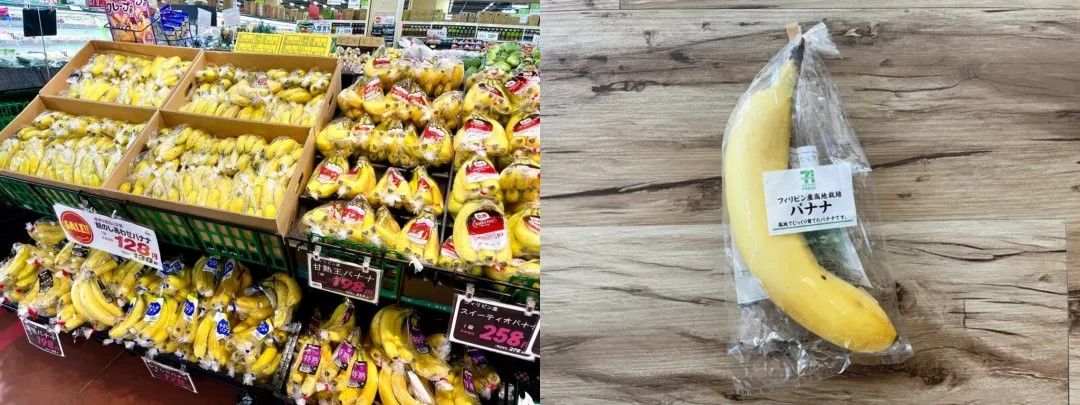
However, to successfully sell a single banana for 100 yen, stronger justification was needed. The team traveled to high-altitude plantations in the Philippines to secure better-quality bananas, pre-cut and pre-packed locally to control costs, and educated consumers through sampling and packaging about why “high-altitude bananas are sweeter.” This strategy ultimately drove annual sales to 5 billion yen.
True product strength begins with the customer perspective and is realized through value-chain innovation. From “whole-fish utilization” to the “single banana,” these small entry points reflect precise insight into trends and needs—the core driver of future retail growth.
New Joy Mart: Product is the foundation, efficiency is the key
Juan Liu, head of procurement at New Joy Mart, shared practical perspectives rooted in the company’s operating experience, focusing on corporate development, the mega-SKU strategy, and industry insights.
In Juan Liu’s view, New Joy Mart may be a small company, but it has a big mindset. She noted that the company is known in the industry for being highly competitive—not by self-proclamation, but according to external assessments such as Nielsen, which found that the prices of New Joy Mart’s top 100 products are 5–10% lower than industry averages. Moreover, its founder insists that “quality must surpass competitors.”
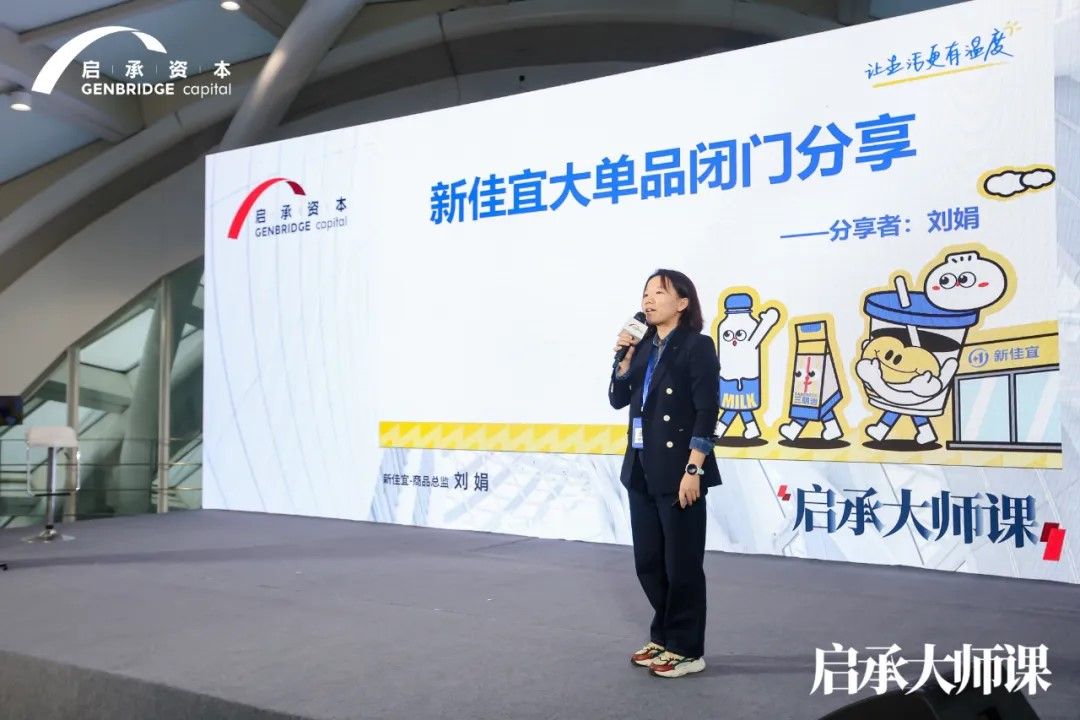
Facing limited resources and intense market competition, New Joy Mart adopted a mega-SKU strategy to break the stereotype that “convenience stores are always expensive,” anchoring instead on extreme value.
Over the past five years, New Joy Mart has advanced this strategy step by step:
- In 2020, it launched the “Convenience Store + Milk Station” model, shifting dealers to full direct-operation and focusing on fresh milk.
- In 2021, it expanded to “Convenience Store + Coffee,” with its RMB 4.9 Americano achieving standout sales.
- In 2022, it focused on “Convenience Store + Breakfast,” developing both Chinese and Western options.
- In 2023, it launched the “Convenience Store + Ice Cup” initiative, building its own ice-cup factory and developing 12 SKUs—now accounting for 50% of its fresh-milk category.
- In 2025, it continued the “Convenience Store + Mega SKU” strategy, with promotional data showing growing consumer recognition of strong products.
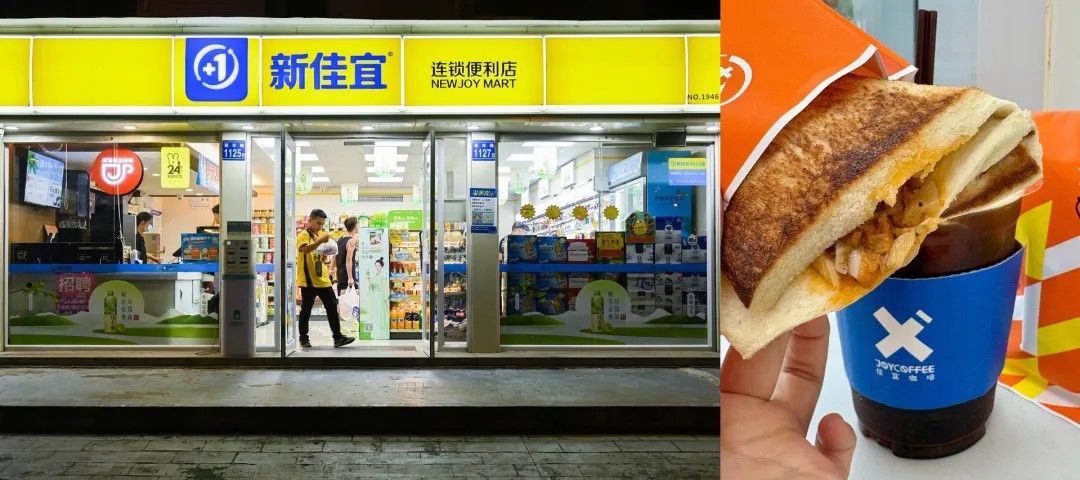
New Joy Mart follows four core principles in navigating industry development:
- Product strength can counter cycles; when facing cross-category competition, thin margins, and easy imitation, the only way out is to change oneself.
- Abandon “broad and comprehensive” and pursue “focused and refined.” In 2024, New Joy Mart operated fewer than 2,000 SKUs (vs. the CCFA average of 3,052), with private-label accounting for less than 12% of SKUs yet contributing 22% of daily sales.
- The opportunity for convenience stores lies in categories others do poorly—high-frequency, high-repurchase items (like breakfast) where proximity beats delivery.
- Focus on core opportunities: one hero product per month to avoid spreading resources too thin.
Juan Liu summarized that success in mega-SKUs requires a coordinated playbook: the product is the foundation, and efficiency is the key.
She also offered six practical takeaways for brands and channels: choose high-frequency, high-need, easily standardized categories; build extreme value benchmarks; trust consumer judgment—good products win through repurchase; optimize supply chain (brands focus on materials and efficiency; channels focus on factory selection and logistics); strengthen core selling points through packaging and communication; and stay focused to create a confidence-building loop through successful cases.
GenBridge Perspective: The rules of “continuous innovation”
Consider one data point: the beverage category sees tens of thousands of new SKUs introduced each year, but only 10–20% survive through the year, and fewer than 1% become true top sellers.
If everyone knows the importance of good products, why does this happen?
The root issue is the disconnect between philosophy and execution. Most companies claim to be “user-oriented,” but in execution they drift toward “market-oriented”—focusing less on consumer value and more on what sells. This leads to homogenized imitation, over-engineering, and excessive SKU expansion.
According to Ryan Ren, GenBridge’s product development expert, the hardest part of product innovation is “building the capability and mechanism for continuous innovation.” Drawing on his experience in FMCG operations and investment, he discussed innovation bottlenecks, case studies, and GenBridge’s accumulated methodologies.
He emphasized that product innovation is fundamentally the recombination of information. Effective development requires deep historical knowledge and the ability to break cognitive inertia to form new combinations.
To achieve this, teams must take a “time-machine perspective”: studying products across countries and historical stages to build a knowledge base, then reconnecting product attributes to user needs to unlock imagination and enable category extension.
So what defines a good new product? Ryan Ren believes a good product must meet three criteria: precise targeting, memorable differentiation, and strong profitability.
- Precise targeting: identifying positioning and real user needs.
- Memorability: creating a standout feature as a mental anchor.
- Profitability: ensuring healthy pricing and margins through supply-chain optimization.
All three are indispensable.
The goal of understanding innovation is to build a suitable, efficient, and repeatable mechanism. Only then can companies avoid short-lived hits and maintain sustained competitive strength.
Conclusion
The Masterclass, combining global perspectives, local operational experience, and systematic methodology, revealed a key truth of excellent product development: it is never accidental. It stems from deep user insight and a replicable system of capabilities.
In an era where product is king, the value of capital extends far beyond funding—it lies in long-term partnership. We aim to embed leading insights and practical tools as internal capabilities for our partner companies. Through such knowledge-sharing platforms, we work together to strengthen product competitiveness and build the deepest moat for sustainable growth.
We firmly believe that only by growing alongside innovators can we witness the birth of more great brands.