

China’s emerging brands are collectively entering a stage of scale. As peers converge halfway up the mountain, they face shared challenges across product, content, and channels; the key to reaching the summit lies in building a “super organization” that is both replicable and evolvable.
We believe the best learning comes from mutual inspiration among peers. At the GenBridge Masterclass, we aim to build a space of shared frequency—rooted deeply and growing upward—together with partners who are both visionary and resilient.
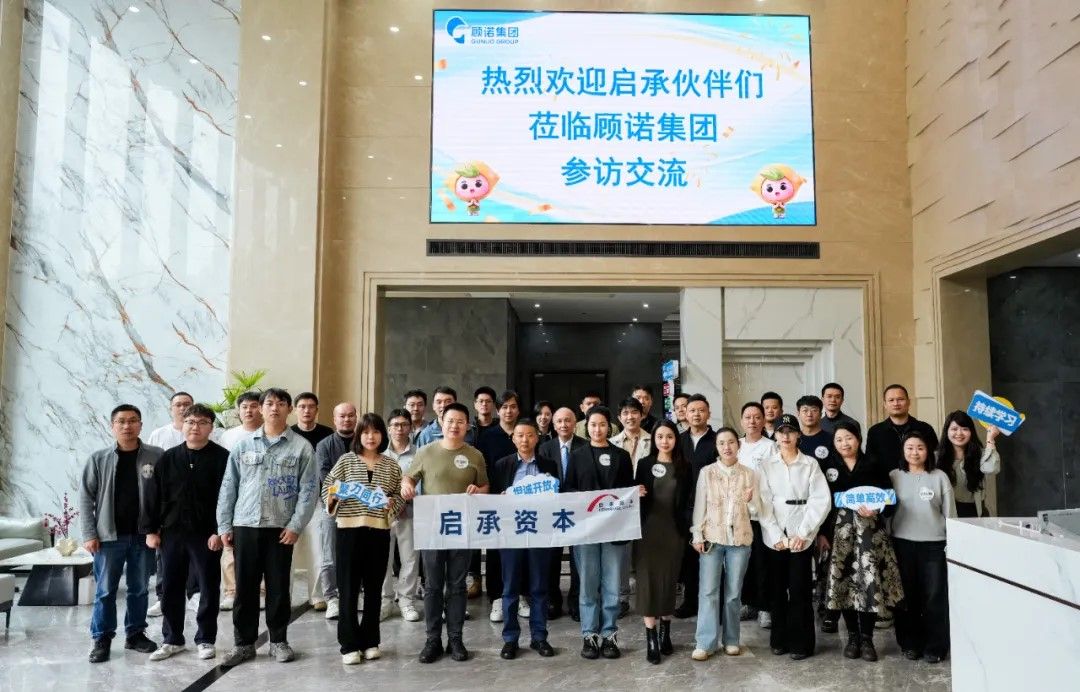
In this GenBridge Masterclass, we turned our focus to the home care and personal care sector, inviting dozens of industry peers to Momeng’s headquarters in Xiamen for an in-depth exchange.
In the home and personal care sector, Momeng, founded in early 2022, has quickly emerged as a rising force. Leveraging a young and capable content team alongside scaled AI applications, Momeng has unlocked a higher ceiling for traffic within a mature market, ranking No.1 in market share in Douyin’s environmental cleaning category for three consecutive years, with revenue growing more than 30-fold.
A new generation of Chinese consumer companies, represented by Momeng, has developed strong marketing acuity amid shifts in channels and technology. However, to win sustainably, differentiated products driven by continuous innovation remain essential. After capturing traffic dividends, how to build long-term product R&D capabilities has become a fundamental question for all practitioners.
Participants in this GenBridge Masterclass included not only leading players from the home and personal care sector such as Momeng, Botare, Dream Garden, Deeyeo, and Chunpu, but also brands from other industries, including the health brand Nutrend, tactical apparel brand Dragon Tooth, and jewelry brand Lora Rose. Together, they explored the question:
As growth-stage companies reach the midpoint of their journey, how can they rely on sustained product development capabilities to go further and higher?
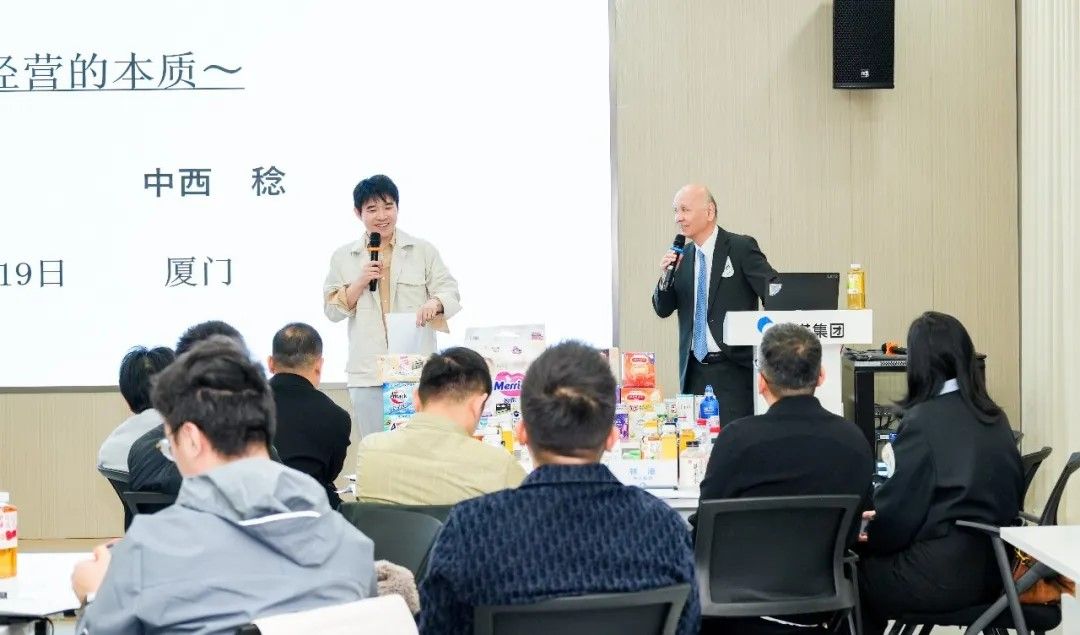
To explore this topic in depth, we invited Mr. Minoru Nakanishi, former CEO of Kao China, to share Kao’s experience in R&D processes, consumer insights, and product development principles.
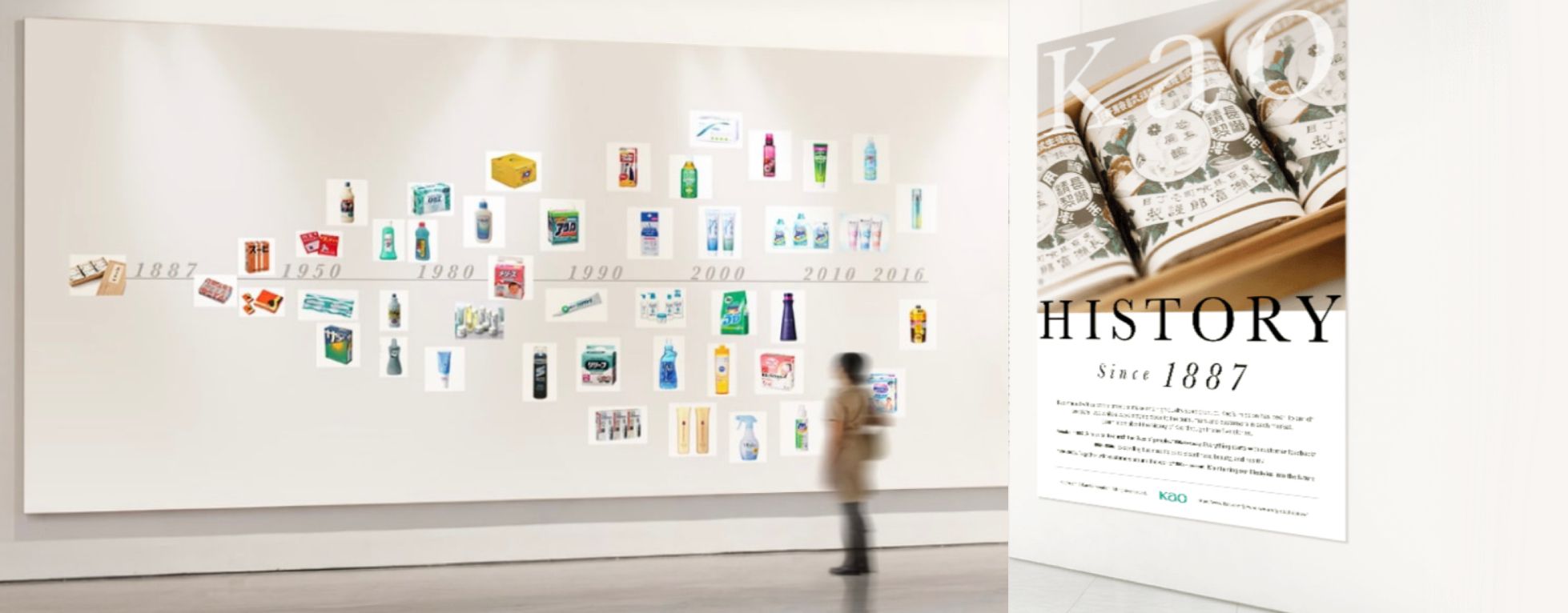
When people think of Kao, they often think of diapers, sanitary products, or various home and personal care items. Yet behind these blockbuster products lies its unique essence of “technology-driven management.” As a company with a 140-year history, Kao started with laundry powder and soap, and through continuous technological innovation and transformation, has expanded into health and beauty, cosmetics, and household goods, reaching nearly JPY 1.68 trillion in global sales in 2025.
Mr. Nakanishi spent 18 years deeply engaged in Kao’s R&D frontline, leading product development in China and serving as CEO of Kao China from 2014 to 2019. From technical development to front-end marketing, he has experienced the full product lifecycle. For Chinese founders seeking to strengthen their product capabilities, his insights help answer a core question: how to build sustainable, long-term product development capabilities.
During a three-hour session rich with insights, Mr. Nakanishi not only prepared detailed printed materials for each participant, but also showcased products on-site, explaining the thinking behind their development. Many of his perspectives were thought-provoking and highly inspiring:
Cross-category reuse of foundational technologies is the most efficient form of innovation.
Many companies approach innovation by starting from scratch in each category. At Kao, however, the emergence of a core technology often leads to breakthroughs across multiple categories.
Many companies approach innovation by starting from scratch in each category. At Kao, however, the emergence of a core technology often leads to breakthroughs across multiple categories.
Another example: the home care division discovered that by inserting a heat-shrinkable material between two layers of nonwoven fabric, the mop would form wave-like wrinkles, which, combined with surfactants on the surface, could effectively trap hair and dust. This led to the creation of the world’s first new-generation cleaning mop.
Another example: the home care division discovered that by inserting a heat-shrinkable material between two layers of nonwoven fabric, the mop would form wave-like wrinkles, which, combined with surfactants on the surface, could effectively trap hair and dust. This led to the creation of the world’s first new-generation cleaning mop.

The development cycle for core technologies is long and costly, but if a single technology can be applied across categories and translated into solutions for specific user pain points, it can significantly reduce costs and improve the efficiency of technological commercialization.
To enable this, Kao’s research institutes have no physical walls, with R&D personnel from different categories working side by side, encouraging cross-application of new technologies. Only by breaking down departmental barriers and fostering high-frequency communication in an open environment can accidental technological collisions become sustained innovation.
More important than listening to what consumers say is observing how they live.
Big data and surveys can outline general user profiles, but real pain points are always found in real-life contexts. This is because consumers often become accustomed to inconveniences during use, even treating them as normal, and find it difficult to articulate the exact problem. Surveys and questions alone tend to yield rationalized “correct answers.”
Therefore, business, brand, and R&D teams must not focus solely on shelves and data but must enter real-life user scenarios to observe directly. By treating users as “people living their lives” rather than merely “consumers,” and capturing their actions, pauses, and friction points during use, true blind spots in demand can be identified.
This extreme form of “life-based observation” has led to many classic products.
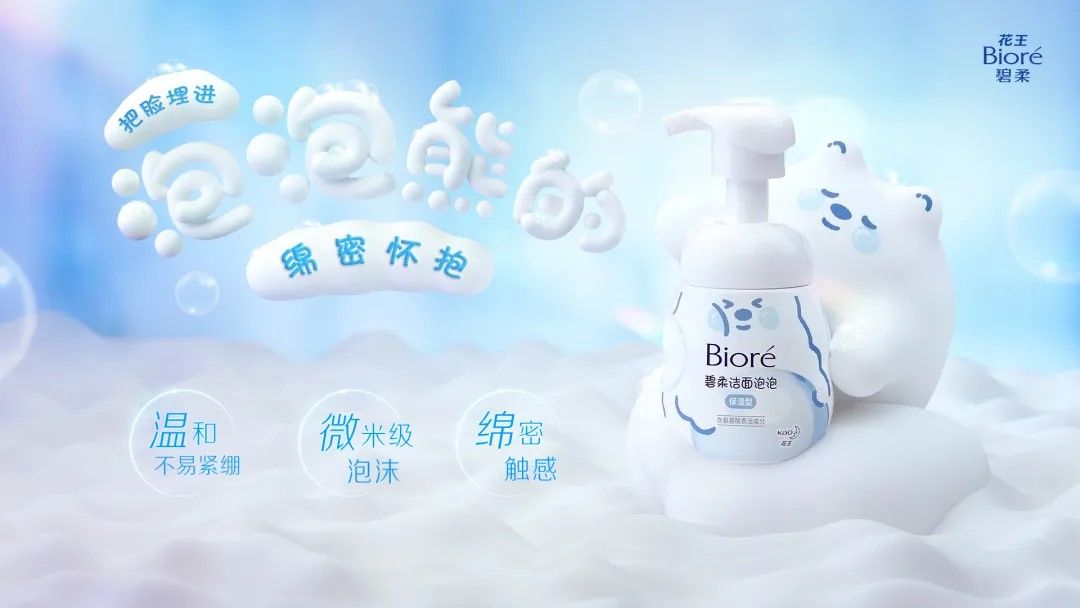
The improvement of Biore facial cleanser is a classic case. Some users were concerned that traditional soap could irritate the skin. After observing real face-washing behaviors, Kao found variations in rubbing time and rinsing methods, making it difficult to avoid skin damage with soap. They therefore redesigned the product form, turning soap into mousse foam to fundamentally eliminate damage caused by friction.
Another highly insightful case occurred in the Indonesian sanitary pad market. While Chinese consumers prefer thin and highly absorbent products, such products did not work in Indonesia. Kao discovered that local cultural practices required women to wash sanitary pads before disposal, and traditional super-absorbent polymers would swell significantly and become difficult to clean. Based on this real local habit, Kao developed a special polymer that absorbs blood but not water, successfully unlocking the local market.
The “Five Principles of Product Development” that enable products to endure cycles.
A good product cannot rely on flashes of inspiration from concept to execution. Kao has established a rigorous and pragmatic set of “Five Principles of Product Development,” which serve as the foundation of its long-term competitive moat:
First, the principle of social utility. To determine whether a product is useful, companies must ask three questions: does it genuinely alleviate people’s burdens (such as reducing household workload, lowering environmental impact, or making it easier for the elderly to use)? Will it remain relevant ten years from now? Beyond profitability, does it provide public social value?
Second, the principle of creativity. Its essence lies in not following competitors blindly. During development, Kao continuously asks: does the product reflect technology or ingenuity unique to us? Does it deliver a truly new experience to users? This is how sustained differentiation is maintained in highly competitive markets.
Third, the principle of performance-to-price ratio. The focus is not on price wars but on the value delivered per unit of consumer spending. Products must deliver superior satisfaction across multiple dimensions—cleaning power, convenience, fragrance, environmental impact—and outperform competitors.
Fourth, the principle of thorough research. Kao believes that only products fully refined through user feedback should reach the market. Every stage of development must be supported by solid data validation and user research, rather than relying on assumptions. Any user dissatisfaction at any stage leads to restarting the process.
Fifth, the principle of channel fit. In every channel, is the product’s core message immediately clear to consumers? From packaging to advertising, the product’s innovations and specific benefits must be clearly communicated.
Expert sharing forms the foundation of the Masterclass, while the subsequent Q&A session is where the most dynamic exchanges occur. Participants engaged openly, discussing their most pressing business challenges in a highly energetic atmosphere.
“When should pricing and cost considerations be introduced in product development?” In response, Mr. Nakanishi emphasized the importance of establishing mechanisms to test willingness to pay. Even after launch, pricing should be continuously adjusted, while long-term improvements in technology and supply chains gradually reduce costs.
“How were the five principles established, and must they be strictly followed?” Addressing organizational concerns, Mr. Nakanishi explained that these principles are not imposed by a single leader but are the result of collective alignment between management and teams, and must be continuously updated through annual leadership training in response to changing times.
From micro-level cost analysis to macro-level cultural foundations, each candid question and unreserved answer helped participants gain greater clarity on their path forward. This trip to Xiamen offered not only a renewed perspective on traffic strategies but also strategic confidence to navigate cycles.
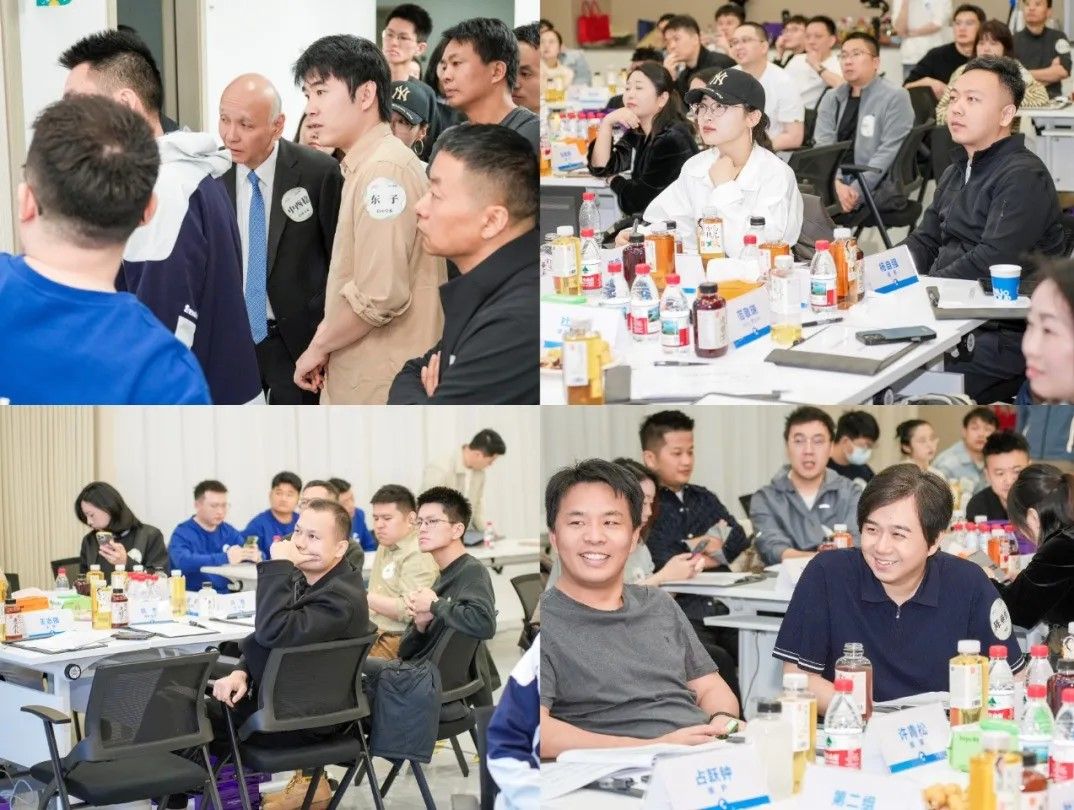
This is the core purpose of GenBridge Masterclass. We aim to bring in those who have already reached the summit—industry leaders with best practices—and present their real journeys openly to all participants.
If you are facing business bottlenecks, or simply wish to learn from the experiences and outcomes of your peers, you are welcome to join us at the GenBridge Masterclass table and continue the conversation.